Reviewing Gamer Real Life is for Amateur
As an embroidery designer who has spent years digitizing patterns and testing them on everything from thick denim to delicate baby onesies, I approach every new machine embroidery design with a critical eye. It is not enough for a graphic to look good on a screen; it must translate beautifully into thread. Recently, I evaluated Gamer Real Life is for Amateur, a bold statement piece that falls under the category of T-Shirt Designs and general Graphics. My goal was to determine if this design holds up in real-world production scenarios for craft businesses and boutique shops.
First Impressions and Visual Personality
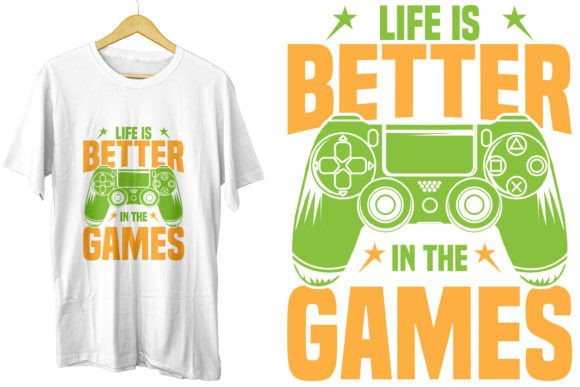
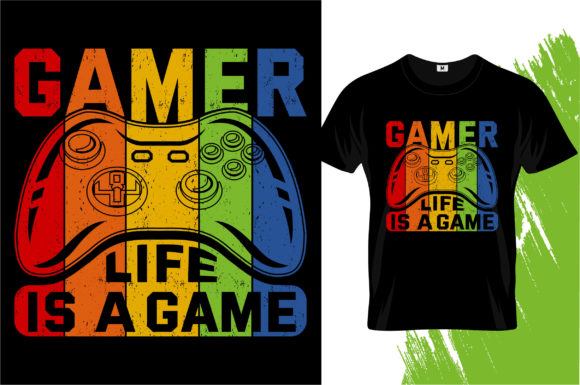
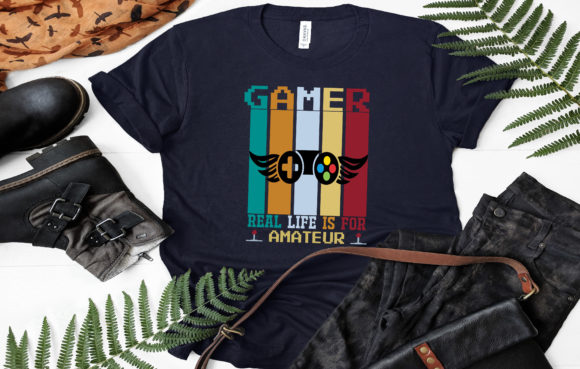
The immediate mood of Gamer Real Life is for Amateur is confident and slightly rebellious. It speaks directly to a specific demographic: those who prioritize their virtual achievements or simply enjoy gaming culture as a lifestyle. The layout is clean, relying on strong typography rather than complex illustrative elements. This is a crucial detail for embroiderers. Complex illustrations often lose definition when stitched, but text-based designs, when done correctly, offer high clarity and readability.
The description notes that the design is made with 100 vector shapes and is re-sizable. From a technical standpoint, this is promising. Vector-based origins usually mean cleaner lines and smoother curves, which are essential for maintaining professional quality in an embroidery file. However, being "ready to print" does not automatically mean it is optimized for stitching. As designers, we know that print and embroidery are different mediums. Print handles gradients and fine details easily; embroidery relies on satin stitch, fill stitch, and running stitch techniques that have physical limitations.
Real-World Application: The Custom Sweatshirt Test
To truly understand the value of this asset, I imagined a typical client request. A local esports team wanted custom custom apparel for their casual wear days. They needed something that looked professional yet fun, suitable for a sweatshirt embroidery project. Gamer Real Life is for Amateur fit the brief perfectly. The bold statement works well on the chest or back of a hoodie, where there is ample space for the text to breathe.
In this scenario, the ability to change colors easily, as mentioned in the product description, becomes a major selling point. Team colors vary, and having a design that adapts to both dark and light fabrics without losing contrast is vital. For a dark navy hoodie, I would recommend using bright white or neon green thread to ensure the message pops. For a white tee, black or deep purple would provide the necessary visual weight. This versatility makes it an excellent choice for Etsy sellers who offer personalized options.
Versatility Across Product Lines
Beyond sweatshirts, this design has potential in several other areas of a craft business. Consider a sturdy canvas tote bag design. Gamers often carry laptops, consoles, and accessories. A tote featuring this slogan could be a hit at conventions or as a practical personalized gift. The flat surface of a tote bag is ideal for larger text designs, allowing the stitch density to remain consistent without puckering the fabric.
However, caution is needed when applying this to smaller items. While it might work as an embroidered patch, you must check the minimum size requirements. If the text becomes too small, the letters may merge, especially if using a fill stitch for the block letters. Always test the design on scrap fabric first to determine the smallest legible size. For baby embroidery, this theme is likely less relevant unless targeting older siblings or gaming parents, but the principle of checking scale remains universal.
Technical Considerations for Embroiderers
When working with any new digital embroidery file, technical due diligence is non-negotiable. Although the product states it is made with vector shapes, you must verify how these shapes translate into stitches. Are the corners sharp enough to require tie-offs? Is the stitch density appropriate for the intended fabric?
For textured fabrics like terry cloth towels or fuzzy fleece, a dense design can sink into the pile. In such cases, using a cut-away stabilizer is essential to support the weight of the thread. For stretchy fabrics like jersey t-shirts, a tear-away stabilizer might suffice, but hooping technique becomes critical to prevent distortion. The design’s simplicity is an advantage here; fewer intricate details mean less risk of registration errors on curved surfaces like caps.
Speaking of caps, while this design could work on a baseball cap, the curvature of the front panel might distort long horizontal text. If you plan to use it for headwear, consider breaking the phrase into two lines or reducing the overall width. Always inspect small details and confirm hoop size compatibility before starting a production run.
Commercial Viability and Brand Consistency
For small shop product lines, consistency is key. Gamer Real Life is for Amateur offers a distinct voice. It appeals to a niche market, which can drive higher engagement than generic designs. When creating printable mockup previews for your online store, ensure the thread colors match the actual product. Misleading images lead to returns and damaged trust.
This design also serves well as a design asset for broader marketing. It can be used in social media graphics to promote your embroidery services, showing potential clients that you understand current trends. Whether for holiday embroidery gifts or everyday wear, the modern aesthetic fits well within contemporary boutique branding.
Final Verdict and Practical Advice
Before selling finished items or digital products derived from this design, you must confirm licensing terms. The description mentions it is ready to print and resizable, but commercial usage rights for embroidery should be explicitly verified. Never assume a license covers all forms of commercial use.
In summary, Gamer Real Life is for Amateur is a strong contender for embroiderers looking to expand their gaming-themed catalog. Its strength lies in its bold simplicity and color adaptability. By paying attention to thread colors, fabric texture, and proper stabilization, you can produce a high-quality finished product that resonates with customers. Test it on various materials, adjust your tension settings, and let the design speak for itself. With careful execution, this graphic can become a staple in your embroidery project portfolio, driving sales and enhancing your reputation as a skilled artisan.